To help all students of the 2026 intake adapt promptly to campus management requirements and foster a strong awareness of rules, the Hainan International Institute has organized a series of learning activities on the Student Handbook in a well‑structured manner since October. Counselors delivered detailed interpretations covering the university’s history and institutional context, moral education administration, academic arrangements, reward and penalty provisions as well as appeal procedures, and civilized dormitory management. They addressed students’ questions concerning campus regulations, guiding them to abide by university rules and disciplines voluntarily, integrate disciplinary requirements into daily life, and develop sound academic and living habits.
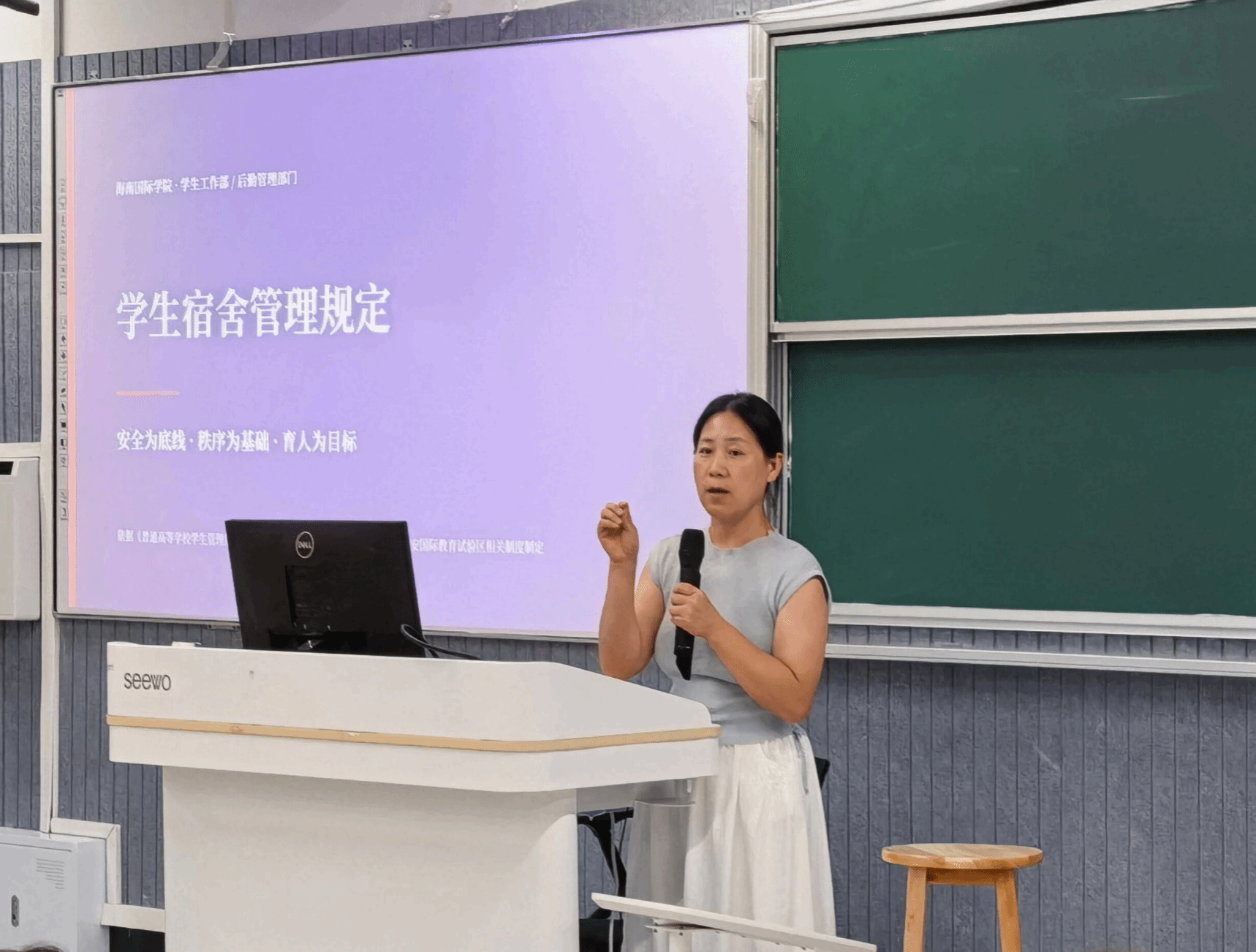
Ms. Wu Xiaohong elaborated on the regulations governing dormitory management. Drawing on students’ daily residential life, she gave a detailed account of dormitory requirements and daily precautions. She emphasized disciplinary rules concerning unapproved overnight absence and safe electricity use, encouraging students to raise their safety awareness, voluntarily comply with dormitory schedules and management rules, return to their dormitories on time, and strictly observe residential disciplines. Ms. Wu also urged students to start with trivial details in daily life, develop good hygiene and living habits, strengthen their sense of collectivism, respect roommates and take good care of public facilities, and jointly maintain a safe, tidy, civilized and harmonious dormitory environment.
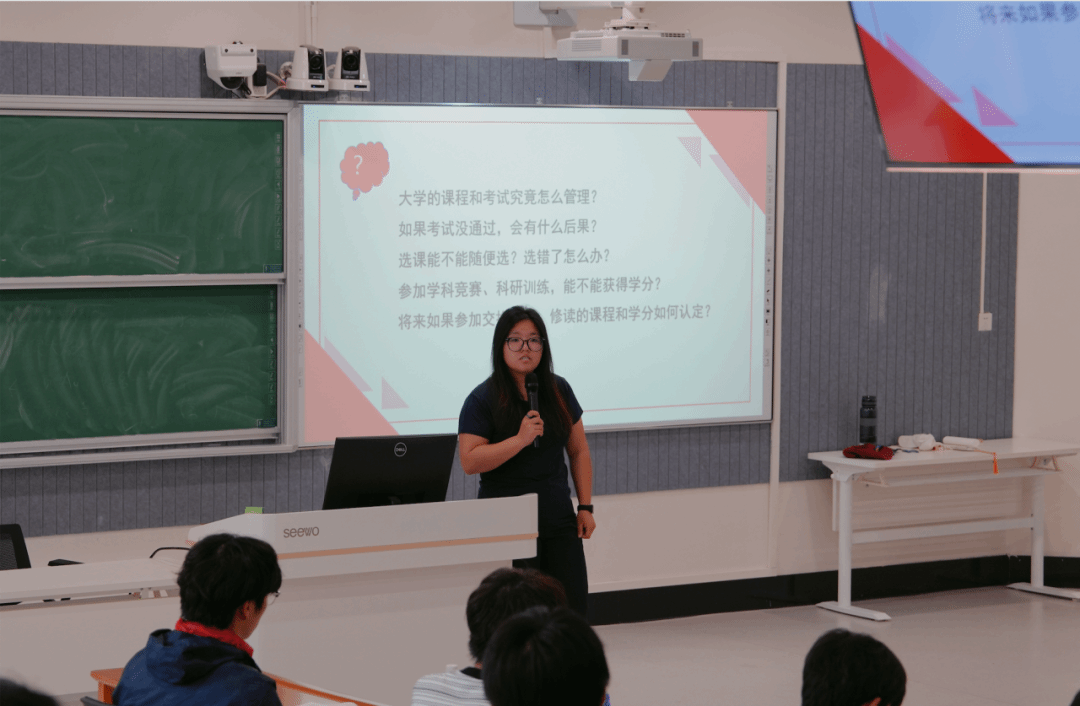
Ms. Gao Hui explained the regulations on academic management to help students understand basic requirements and relevant precautions. She laid particular emphasis on examination discipline, guiding students to adopt a proper attitude toward exams, strictly observe examination rules, take exams with integrity, and consciously uphold a fair and impartial examination order. Meanwhile, she encouraged students to proactively learn about academic policies, make reasonable study plans, take an active part in discipline-based competitions and innovation training programs, and continuously improve their comprehensive capabilities.
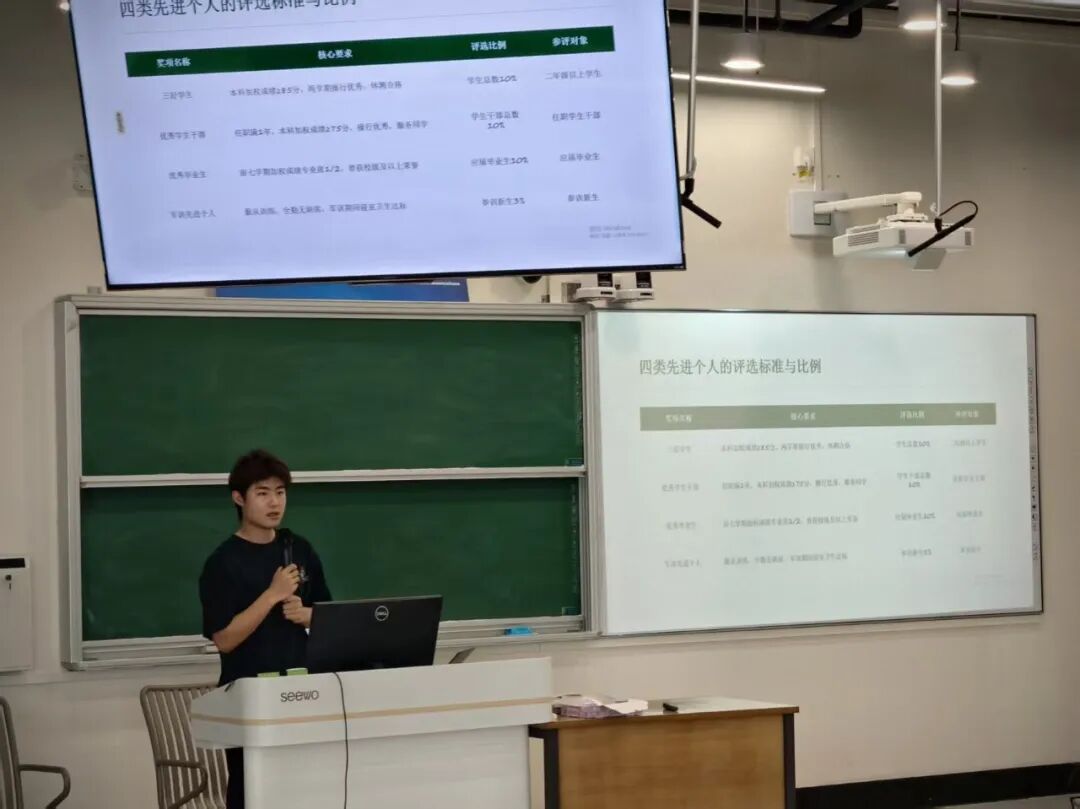
Mr. Sun Haoyang elaborated on merit selection, disciplinary sanctions and appeal procedures to help students grasp the specific requirements for various merit awards, clarify selection criteria and disciplinary norms, and gain a deeper understanding of the importance of abiding by university rules and regulations. In addition, citing relevant provisions on disciplinary sanctions and appeals, he guided students to correctly understand disciplinary requirements, standardize their words and deeds, strengthen their sense of discipline, strive for excellence through practical actions, and jointly foster a positive, rigorous and orderly campus atmosphere.
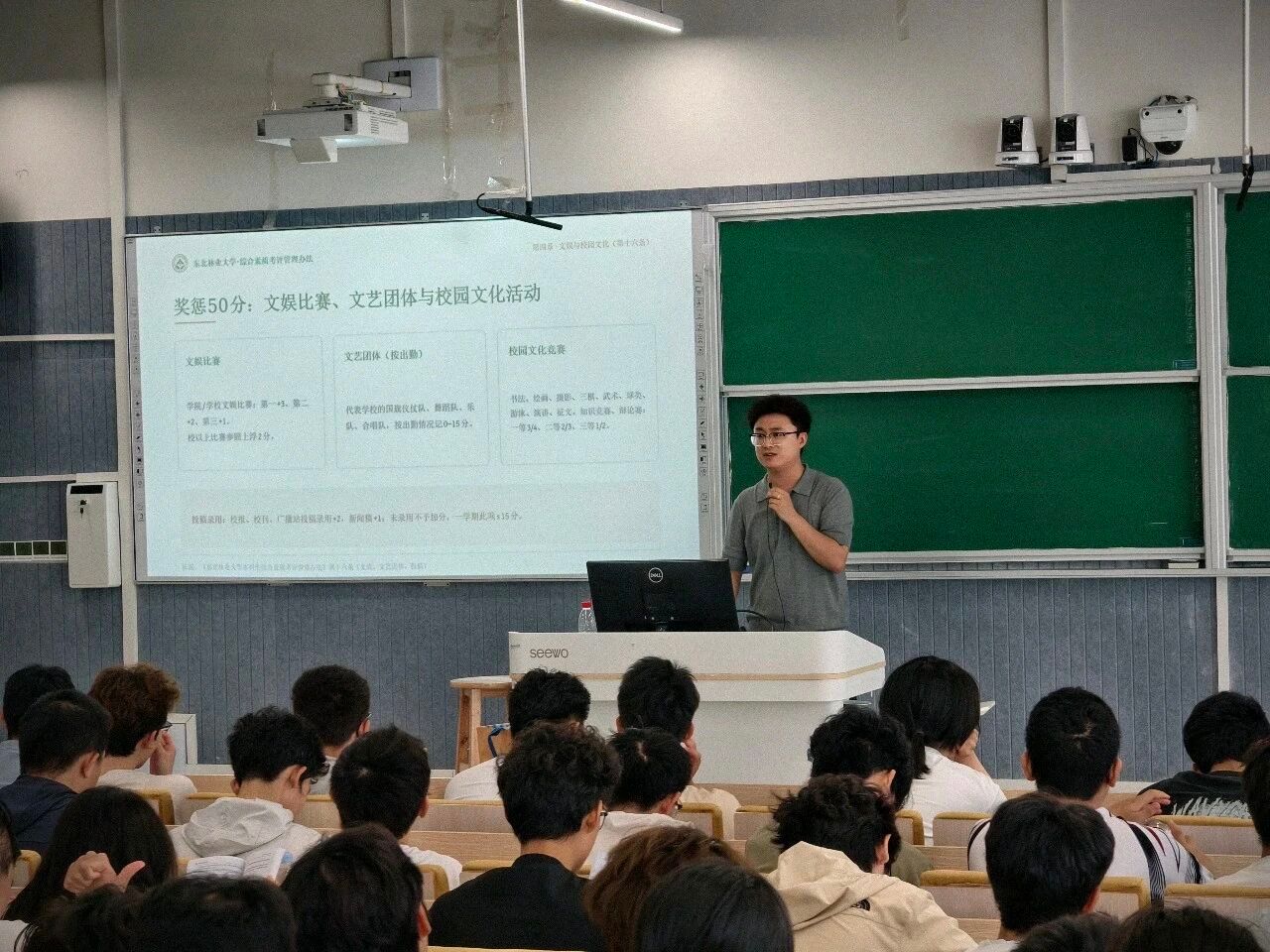
Mr. Guan Feng explained the provisions on moral education management. He offered a detailed interpretation of the measures for the implementation of moral education credits, comprehensive quality assessment, conduct evaluation, and student integrity file management. With reference to specific cases, he walked students through the calculation of various assessment scores on the spot, helping them gain a better grasp of assessment rules and requirements through practical exercises. On this basis, Mr. Guan encouraged students to actively participate in a wide range of campus activities and practical training while fulfilling their academic tasks, so as to achieve all‑round development of their comprehensive qualities. He also stressed the importance of integrity in study and daily life, guiding students to embed integrity awareness into their words and deeds.
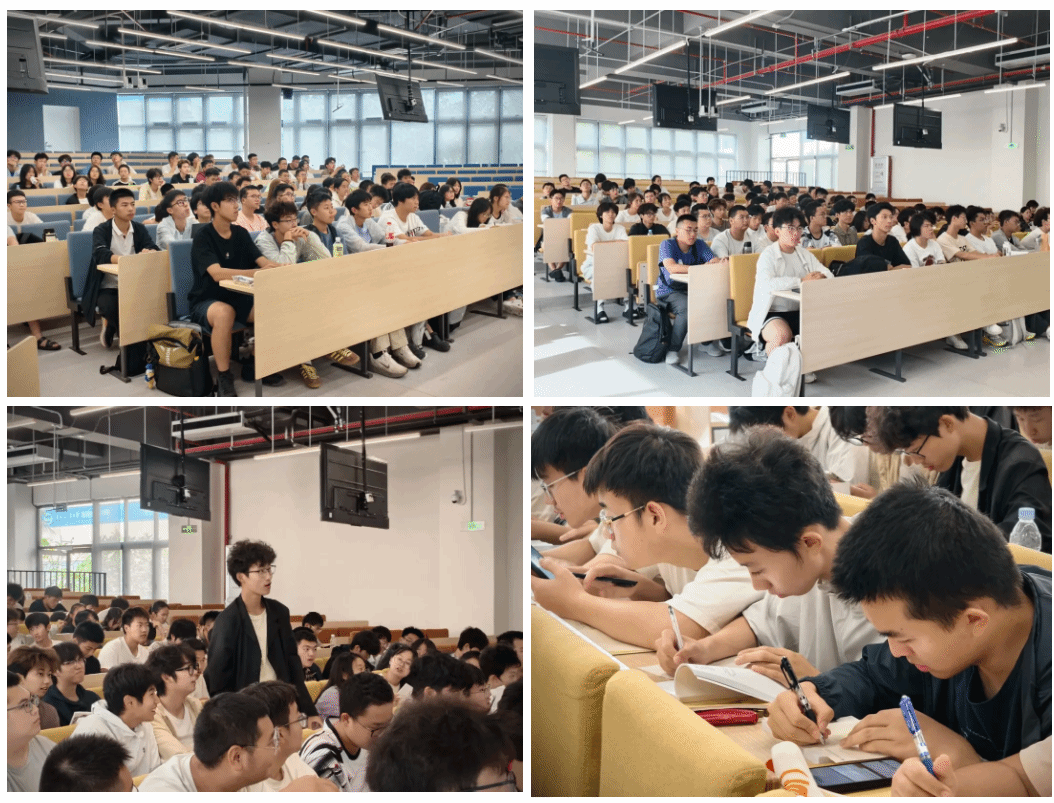
Covering dormitory life, moral education management, merit selection, disciplinary requirements and academic development, this series of learning sessions is rooted in the realities of college life. It helps students become more familiar with campus regulations and clarify the code of conduct for their study and daily routines. It is hoped that students will translate what they have learned into daily practice, voluntarily abide by university rules and disciplines, take their studies seriously, engage actively in practical activities, and uphold the principle of integrity. They shall strengthen self-management by regulating their words and deeds, continuously improve their comprehensive qualities through learning and practice, lead a fulfilling and meaningful college life, and take every step of their growth with firmness and steadiness. (Text by Gao Hui; Photos by Ku Xiaotian, Xu Zhen, Xu Yundong, Du Xinyu)